Deep dives into materials, design principles, and expert knowledge to inform your sofa selection journey.
Understanding sofa materials empowers you to make choices that align with your lifestyle, aesthetic preferences, and maintenance capacity. The fabric or leather you select will define not only how your sofa looks but also how it ages, feels, and performs over years of daily use.
Leather remains one of the most sought-after sofa materials for its durability, luxurious appearance, and ability to develop character over time. Full-grain leather represents the highest quality, retaining the natural grain and markings of the hide. Top-grain leather offers a more uniform appearance while maintaining excellent durability. Properly maintained leather sofas can last 25 years or more, developing a rich patina that tells the story of your home.
Modern performance fabrics have revolutionized upholstery options. These engineered textiles resist stains, repel water, and withstand heavy use while maintaining a soft, comfortable feel. Brands like Sunbrella, Crypton, and proprietary options from furniture manufacturers offer various textures and colors. Performance fabrics are ideal for households with children, pets, or high-traffic living areas where spills and messes are a reality of daily life.
Velvet brings unparalleled luxury and tactile appeal to any space. This pile fabric catches light beautifully, creating depth and dimension that flat fabrics cannot achieve. Modern velvet options include synthetic blends that offer improved durability and easier maintenance than traditional silk velvet. Consider velvet for formal living spaces or as a statement piece that adds richness and sophistication to your room.
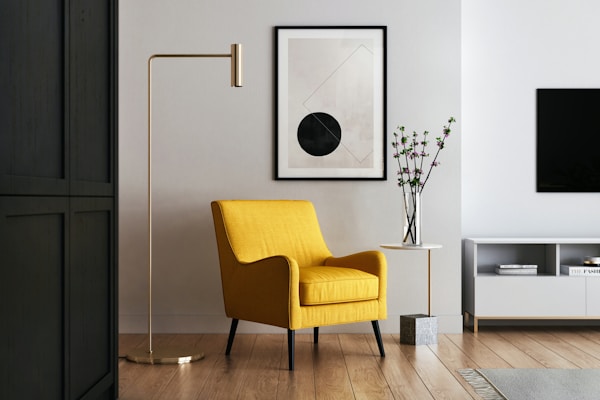
The eternal tension between comfort and aesthetics lies at the heart of many sofa decisions. Understanding how to balance these priorities helps you find a piece that satisfies both your visual sensibilities and your need for relaxation.
True comfort in a sofa stems from a combination of support and softness. The internal construction determines how well your sofa supports your body over extended sitting sessions. High-quality spring systems distribute weight evenly, preventing the sinking feeling that comes from worn-out web suspension or low-density foam.
Seat depth plays a crucial role in comfort perception. Deeper seats (40+ inches) accommodate lounging and allow you to curl up comfortably, while shallower seats promote upright posture suitable for conversation. Consider how you primarily use your sofa when evaluating this dimension.
Cushion filling affects both the initial feel and long-term comfort retention. High-density foam provides consistent support but may feel firm initially. Down-blend cushions offer luxurious softness but require regular fluffing to maintain their shape. Many premium sofas combine these materials, wrapping foam cores in down or fiber for the best of both worlds.
A sofa's visual impact extends beyond its color and fabric. The silhouette created by arm style, back height, and leg design defines the piece's character. Rolled arms evoke traditional elegance, while square arms suggest modern simplicity. Exposed legs create visual lightness, while skirted bases offer a more formal, grounded appearance.
Color and pattern selection should consider both your existing decor and long-term flexibility. Neutral tones provide a timeless foundation that can adapt to changing accent colors and accessories through the years. Bold colors or patterns make a statement but may limit your decorating options and feel dated more quickly.
Proportion affects how a sofa interacts with your room. Low-profile sofas work well under windows and in rooms with lower ceilings, while taller pieces can help fill vertical space in rooms with high ceilings. Consider the scale of your room and other furniture when evaluating a sofa's proportions.
Effective space planning transforms a room from merely functional to genuinely harmonious. Your sofa serves as the anchor around which the rest of your living space is organized.
Before positioning your sofa, consider how people move through the room. Maintain clear pathways of at least 30 inches for comfortable traffic flow. Avoid forcing people to walk between the sofa and television or to navigate around furniture awkwardly. The best arrangements feel intuitive and allow easy movement between seating areas, entry points, and other rooms.
Balance your sofa with other elements in the room. If your sofa is substantial, pair it with equally substantial accent chairs or a large coffee table. In smaller spaces, a loveseat paired with two chairs can provide flexible seating without the visual weight of a full-sized sofa. Consider the visual weight of pieces as well as their physical dimensions.
In open floor plans, use your sofa to define the living area without blocking visual continuity. Position the back of your sofa toward the dining or kitchen area to create a natural boundary. This arrangement separates spaces while maintaining the open, airy feel that makes these layouts popular.
Think about what you see when seated on your sofa. Ideally, you should have pleasant sightlines to windows, artwork, or other attractive elements. Avoid positioning the sofa to face a cluttered area or an unattractive view. If your room has a focal point like a fireplace or television, orient your seating to acknowledge this feature without making it the sole focus.
| Room Size | Sofa Recommendation | Layout Tips |
|---|---|---|
| Small (under 150 sq ft) | Loveseat or apartment sofa | Float seating to create depth; use vertical space for storage |
| Medium (150-300 sq ft) | Standard sofa or small sectional | Create conversation areas; allow 18-24 inches between furniture |
| Large (300+ sq ft) | Oversized sofa or large sectional | Create multiple seating zones; use area rugs to define spaces |
Apply these insights using our comprehensive buying guide or explore specific sofa styles.